Mother’s Day in the US: Why We Celebrate and How to Truly Honor Mom
On the second Sunday of May, a quiet but profound shift happens across the United States. Phone networks experience their highest call volume of the entire year. Restaurants fill to near-maximum capacity for brunch, and the scent of fresh peonies and lilies wafts from flower shops on almost every street corner.
Mother’s Day in the US is a powerhouse of a holiday. It is a day dedicated to stopping the chaotic momentum of daily life to look at the women who raised us, comforted us, and shaped us, and to say two simple words: Thank you.
Yet, like many modern celebrations, the true essence of Mother’s Day can easily get buried beneath a mountain of commercialism. When we think of Mother’s Day today, we often think of pastel pink greeting cards, lavish breakfast-in-bed spreads, and frantic last-minute trips to the jewelry store.
But the history of Mother’s Day is far more radical, emotional, and fiercely protective than the greeting card aisle would lead you to believe. To truly honor Mom this year, we must first understand why we celebrate this day—and look beyond the standard traditions to find expressions of gratitude that resonate on a deeper, more personal level.
The Radical Roots: The Untold History of Mother’s Day
Many people assume that Mother’s Day was created by department stores or card companies to boost spring sales. In reality, the holiday was born out of intense grief, social activism, and a fierce desire for peace.
The story of the American Mother’s Day begins with two incredible women: Ann Reeves Jarvis and her daughter, Anna Jarvis.
Ann Reeves Jarvis: Mother’s Day for Peace
In the mid-19th century, West Virginia activist Ann Reeves Jarvis started “Mothers’ Day Work Clubs” to combat the abysmal sanitary conditions that led to high infant mortality rates. She lost nine of her own children to disease, a tragedy that fueled her lifelong mission to educate mothers on hygiene and health.
When the American Civil War broke out, Ann’s mission evolved. She organized “Mothers’ Friendship Days” to bring together wounded soldiers and mothers from both the Union and Confederate sides. Amidst a nation torn apart by hatred, she used the unifying, empathetic power of motherhood to foster healing and reconciliation.
Anna Jarvis: The Daughter’s Promise
Ann passed away in 1905. Her daughter, Anna Jarvis, was utterly devastated. Standing by her mother’s graveside, Anna swore an oath to create a national day that would honor not just her own mother, but all mothers—living and dead—for the quiet, unvarnished sacrifices they make for their families.
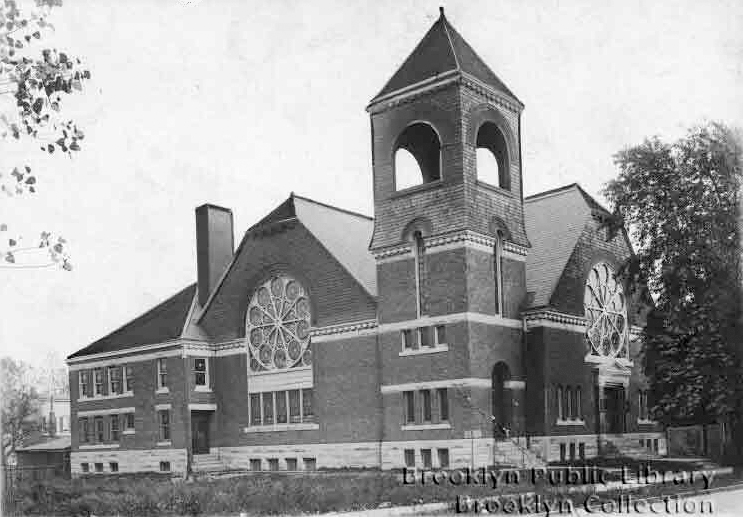
On May 10, 1908, Anna held the first official Mother’s Day service at Andrews Methodist Episcopal Church in Grafton, West Virginia. She handed out hundreds of white carnations—her mother’s favorite flower—to every mother in attendance.
Anna campaigned tirelessly, writing letters to governors, businessmen, and politicians. Her efforts paid off. In 1914, President Woodrow Wilson signed a proclamation officially establishing Mother’s Day as a national holiday on the second Sunday of May.
The Fight Against Commercialization
The story takes a bittersweet turn. Almost immediately, florists, candy makers, and card companies capitalized on the holiday. Anna Jarvis was horrified. She envisioned a day of intimate, personal sentiment—a day where you visited your mother or wrote her a heartfelt, handwritten letter.
She despised mass-produced cards, once stating that a printed card meant “nothing except that you are too lazy to write to the woman who has done more for you than anyone in the world.” Anna spent the rest of her life and her inheritance fighting the commercialization of the very holiday she created.
When we celebrate Mother’s Day today, remembering Anna’s original vision allows us to ground our celebrations in genuine emotion rather than commercial obligation.
The Evolution of the “American Mom”
As the holiday evolved over the 20th and 21st centuries, so did the definition of motherhood in the United States.
In the 1914 version of Mother’s Day, the cultural ideal of a mother was primarily domestic—a homemaker dedicated entirely to the private sphere of the household. While that maternal dedication remains timeless, the modern American mom juggles an entirely different reality.
Today, mothers are corporate leaders, entrepreneurs, community organizers, and breadwinners, often navigating the intense tightrope walk of professional ambitions and parental responsibilities. Furthermore, our understanding of “Mom” has expanded beautifully. Mother’s Day in the US now broadly celebrates stepmothers, grandmothers, foster mothers, adoptive mothers, and maternal figures who step into the role of protector and mentor.
Because the modern mom’s life is complex, multifaceted, and often incredibly exhausting, a generic box of chocolates or a standard bouquet of flowers doesn’t always hit the mark. Honoring her requires an acknowledgment of her unique identity, her stresses, and her passions.
How to Truly Honor Mom: Shifting from Obligation to Authenticity
If you want to step away from the commercial noise and honor your mother in a way that aligns with the true spirit of the holiday, it requires a shift from giving a gift to creating a feeling.
Here are meaningful, thoughtful ways to elevate your Mother’s Day celebration this year:
1. Give Her the Gift of Time (or Space)
Depending on what stage of motherhood your mom is in, her greatest luxury might be either connection or solitude.
- For the Mom of Young Children: The ultimate gift is often an uninterrupted break. Gift her a day where she doesn’t have to plan a meal, clean a dish, or answer a question. Give her the space to go to a spa, read a book in a quiet cafe, or simply sleep in.
- For the Empty-Nester Mom: Her greatest longing is likely quality time with you. Instead of sending a physical object, curate an experience. Take her on a scenic drive, take a cooking class together, or spend an afternoon exploring a local botanical garden.
2. Revive the Lost Art of the Handwritten Letter
Channel your inner Anna Jarvis and write to her. Do not buy a card with a pre-written poem and simply sign your name. Take a blank piece of paper and write down three specific memories you have of her, or name a lesson she taught you that you still use today. Seeing your gratitude written in your own handwriting is a priceless heirloom she will keep in a drawer and read for decades to come.
3. Lighten Her “Mental Load”
Motherhood involves an invisible, ceaseless stream of mental management—remembering doctor appointments, grocery lists, school schedules, and home maintenance. To truly honor her, take that load off her shoulders for an extended period. Don’t ask her “What should we do for dinner?” or “Where are the cleaning supplies?” Take total, autonomous initiative over the household logistics for the weekend so she can genuinely switch her mind off.
4. Curate an Aesthetic Touch of Luxury
While experiences and words are paramount, a tangible token of appreciation can beautifully anchor the day—provided it feels intentional. Modern gifting is all about elevation and self-care. Think about the small rituals your mom enjoys and find ways to make them feel luxurious.
If she loves her morning coffee, upgrade her routine with an elegant, minimalist ceramic mug set. If she cherishes her evening wind-down time, consider an artisan-poured candle with a calming, sophisticated scent profile, or a high-quality silk pillowcase that adds a touch of everyday luxury to her sleep. When searching for meaningful ideas that perfectly blend sentiment with utility, checking out a thoughtfully curated collection of mother’s day gifts can provide the exact inspiration you need to celebrate her unique identity.
Celebrating All Mothers: A Note on Sensitivity
As we celebrate the joy of Mother’s Day, it is equally important to acknowledge that for many, the second Sunday of May is a complex or painful day.
- For those who have lost their mothers, the day is heavy with grief.
- For mothers who have lost children, the pain is unimaginable.
- For women struggling with infertility or longing to be mothers, the cultural noise can be alienating.
Truly honoring motherhood means cultivating an environment of empathy. If you have a friend who is navigating their first Mother’s Day without their mom, send them a text to let them know you are thinking of them. If you know a mother who is grieving, acknowledge her strength. By broadening our compassion, we honor the universal maternal spirit of care and protection that Ann Reeves Jarvis fought so hard to promote.
The Lasting Legacy of Gratitude
When Woodrow Wilson made Mother’s Day an official US holiday in 1914, he stated that the holiday was a time to celebrate “that gentlewoman, the American mother.”
More than a century later, mothers remain the emotional anchors of our families and communities. They are the quiet architects of our futures. The ways we celebrate them will continue to change—shifting from hand-picked wild carnations to curated digital gifts, from quiet family dinners to cross-country FaceTime calls.
But the core heartbeat of the holiday remains entirely unchanged. This Mother’s Day, look past the commercial pressure. Listen to your mother, see her for the individual she is, express your gratitude with vulnerability, and honor her in a way that makes her feel deeply loved, respected, and understood. After all, that is exactly what Anna Jarvis intended.