The Ultimate Guide to Halloween: History, Meaning, and Spooky Traditions Explained
When the calendar turns to October, a distinct shift occurs in the atmosphere. The golden warmth of late summer gives way to crisp, chilly breezes, and the leaves paint the landscape in shades of amber, rust, and burnt orange. Sidewalks become decorated with grinning pumpkins, and retail shelves transform into labyrinths of synthetic spiderwebs, eerie costumes, and endless mountains of candy.
Today, Halloween is celebrated worldwide as a night of lighthearted fright, creative self-expression, and community fun. However, underneath the layers of commercial pop culture lies a rich tapestry of history spanning over two millennia. To truly appreciate this captivating holiday, one must travel back through time to uncover its ancient origins, decode its spiritual evolutions, and explore how ancient rituals transformed into the beloved traditions we practice today.
1. Ancient Roots: The Celtic Festival of Samhain
To find the true birthplace of Halloween, we must journey back more than 2,000 years to the ancient lands of Ireland, the United Kingdom, and northern France. Here lived the Celts, a people whose lives and spiritual beliefs were deeply intertwined with the cycles of nature.
For the Celts, the new year did not begin in January, but on November 1st. This date marked the official end of the summer harvest and the beginning of the dark, cold winter—a season historically associated with human mortality and hardship. On the night before the new year, October 31st, the Celts celebrated a major festival known as Samhain (pronounced Sow-in).
The Celts believed that on the night of Samhain, the boundary separating the world of the living from the world of the dead became blurred and porous. It was a time when the ghosts of the deceased were thought to return to earth. While these visiting spirits could cause trouble and damage valuable crops, Celtic priests, known as Druids, believed their presence made it significantly easier to predict the future. For a people entirely dependent on the volatile natural world, these prophetic fortunes were a crucial source of comfort and guidance before entering the long winter.
To commemorate Samhain, Druids constructed massive, sacred bonfires where the community gathered to burn crops and offer sacrifices to the Celtic deities. During these celebrations, the Celts wore costumes—traditionally consisting of animal heads and skins—in an attempt to disguise themselves and avoid being recognized or harmed by malicious spirits wandering the earth. When the celebration ended, they would relight their hearth fires from the sacred bonfire to help protect their homes during the coming months.
2. The Christian Transformation: From Samhain to All Hallows’ Eve
As the Roman Empire expanded its territory and conquered the Celtic lands over the centuries, Roman traditions gradually merged with existing Celtic customs. Two Roman festivals—Feralia, a day in late October commemorating the passing of the dead, and a day honoring Pomona, the Roman goddess of fruit and trees (which likely gave us the tradition of bobbing for apples)—were integrated into Samhain.
However, the most significant transformation occurred with the spread of Christianity. In the 7th century, Pope Boniface IV established All Saints’ Day, initially celebrated in May, to honor Christian martyrs. In the 9th century, Pope Gregory IV deliberately moved the celebration to November 1st, a strategic decision likely intended to replace or Christianize the pagan festival of Samhain.
Understanding the Etymology
The shift in religious calendars created a sequence of three holy days, collectively known as Allhallowtide:
- All Hallows’ Eve (October 31st): The night of preparation and vigilance.
- All Saints’ Day / All Hallows’ Day (November 1st): A day to honor saints and martyrs.
- All Souls’ Day (November 2nd): A day to pray for the souls of all the faithful departed.
Over time, the phrase All Hallows’ Eve was condensed by local dialects into Hallowe’en, and eventually settled into the modern spelling we recognize today: Halloween. Despite the church’s efforts to steer the holiday toward solemn Christian remembrance, the underlying folklore regarding roaming spirits, bonfires, and disguises remained deeply embedded in the cultural subconscious.
3. Crossing the Atlantic: How Halloween Became an American Phenomenon
When European colonists first arrived in North America, Halloween celebrations were strictly limited due to the rigid belief systems of early Protestant settlers, particularly in New England. However, in the southern colonies, a more relaxed mixing of diverse European immigrant traditions and Native American harvest customs gave rise to a distinctly American version of the holiday.
During the early 19th century, autumn festivals featured “play parties,” which were public events held to celebrate the harvest. Neighbors gathered to share ghost stories, predict fortunes, sing, and dance. Yet, Halloween as a nationwide phenomenon did not truly solidify until the mid-19th century.
| Historical Era | Primary Purpose of the Celebration | Common Practices |
| Ancient Celtic Era | Spiritual protection, predicting fortunes, harvesting preparation | Bonfires, wearing animal skins, crop sacrifices |
| Middle Ages (Europe) | Honoring Christian saints, praying for souls in purgatory | “Souling” (begging for soul cakes), church services |
| 19th Century America | Community bonding, celebrating harvest, light mischief | Play parties, sharing ghost stories, neighborhood pranks |
| Modern Era (Global) | Creative entertainment, commercial fun, socialization | Trick-or-treating, costume parties, festive gifting |
In 1846, the devastating Irish Potato Famine forced millions of Irish immigrants to flee to the United States. They brought their rich folklore, ghost stories, and Halloween customs with them. By combining Irish and English traditions with American imagination, the holiday evolved from a localized autumn festival into a vibrant, community-centered celebration characterized by neighborhood gatherings, colorful costumes, and festive games.
4. Spooky Traditions Explained: The Stories Behind the Rituals
Many of the Halloween rituals we participate in today seem bizarre when viewed out of context. Why do we demand candy from strangers? Why do we carve terrifying faces into large orange gourds? Examining the history reveals fascinating explanations for these modern traditions.
The Legend of the Jack-o’-Lantern
The practice of carving jack-o’-lanterns stems from an old Irish folktale about a man nicknamed “Stingy Jack.” According to the legend, Jack invited the Devil to have a drink with him but refused to pay for it. Through a series of clever tricks, Jack trapped the Devil, only releasing him after making him promise not to claim Jack’s soul when he died.
When Jack eventually passed away, God refused to allow such an unsavory character into heaven, and the Devil, keeping his promise, barred him from entering hell. Instead, the Devil sent Jack away into the dark night with only a single burning coal to light his way. Jack placed the coal inside a carved-out turnip and has been roaming the earth with it ever since.
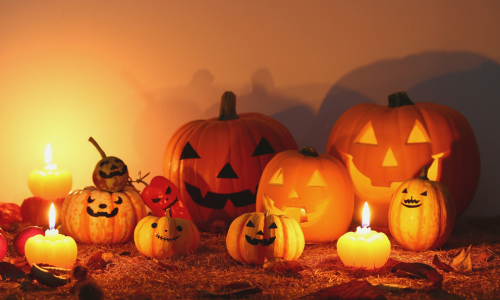
In Ireland and Scotland, people began carving scary faces into turnips, beets, or potatoes and placing them in windows or near doors to frighten away Stingy Jack and other wandering evil spirits. When European immigrants arrived in America, they quickly discovered that pumpkins—native to the region—were larger, softer, and much easier to carve than turnips, creating the iconic symbol of modern Halloween.
The Evolution of Trick-or-Treating
The modern practice of trick-or-treating draws inspiration from two distinct medieval European customs: souling and guising.
On All Souls’ Day, poor citizens would go door-to-door begging for food. In exchange, they promised to pray for the souls of the homeowner’s deceased relatives. Wealthy families would hand out small round pastries called “soul cakes.” Over time, this evolved into “guising,” where children dressed up in costumes and performed a song, poem, or trick in exchange for fruit, nuts, or coins.
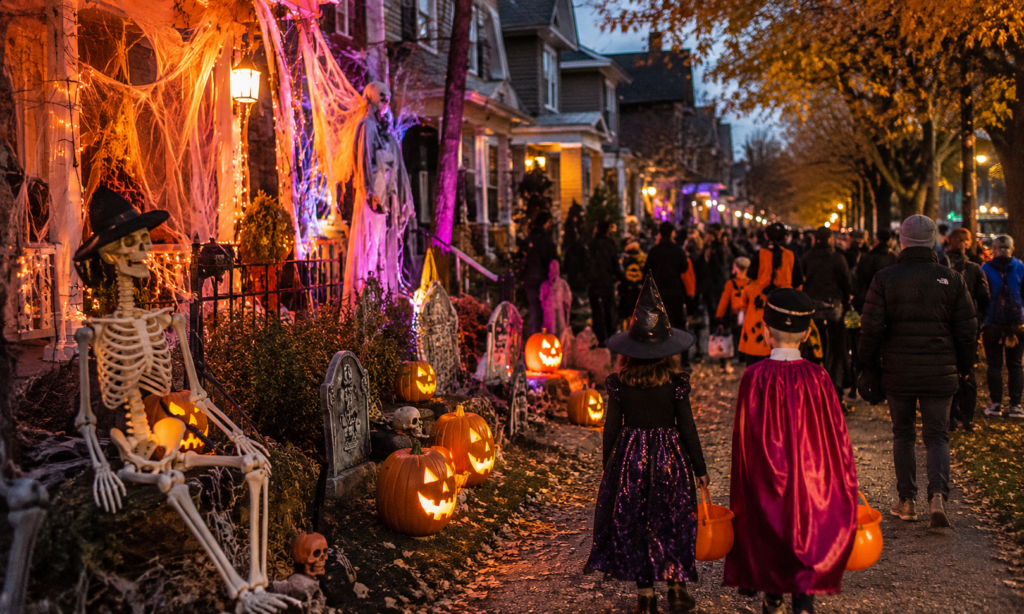
In early 20th-century America, Halloween had devolved into a night of widespread vandalism, practical jokes, and property damage. To curb this destructive behavior, town councils, schools, and neighborhood committees revived the concept of trick-or-treating. By encouraging children to dress up and go house-to-house for small treats, communities successfully shifted the holiday’s focus away from destructive tricks and toward safe, family-friendly fun.
5. The Modern Gifting Movement: Spreading Joy in the Spooky Season
While trick-or-treating remains a staple for neighborhood fun, modern Halloween culture has evolved to embrace the concept of seasonal gifting. No longer restricted solely to plastic buckets filled with mass-produced candy, people are using the holiday as an opportunity to exchange thoughtful, curated presents that celebrate the cozy, eerie aesthetic of autumn.
For parents, creating “Boo Baskets” filled with creative halloween gifts for kids has become a popular and heartwarming trend. Instead of overloading children with sugar, these festive baskets are often packed with spooky storybooks, glowing pajamas, interactive craft kits, and personalized candy bags. It extends the excitement of the holiday beyond a single night of trick-or-treating and encourages imaginative, screen-free play indoors during the colder autumn days.
Similarly, Halloween gifting has found a secure place within romantic relationships. Partners enjoy celebrating their shared love for the spooky season by exchanging thoughtful tokens of affection. Looking for unique halloween gifts for boyfriend often leads to cozy, high-quality items designed for autumn comfort, such as premium dark roast coffees, insulated thermals for haunted house visits, or stylish oversized hoodies perfect for late-night horror movie marathons. These gestures prove that the spirit of giving is no longer confined to the end-of-year holidays.
6. The Gateway to the Festive Season
It is impossible to view Halloween in total isolation; it serves as the ultimate cultural gateway to the grand holiday season. Halloween breaks the ice of the colder months, warming up communities and igniting a spark of festive cheer that sustains people through late autumn and winter.
As soon as the last pumpkin candle is extinguished on November 1st, the energy seamlessly transitions into preparing for Thanksgiving and, ultimately, the deeply cherished traditions of Christmas. The creative decorations, community focus, and joyful generosity experienced during late October set the stage for the massive wave of holiday warmth that defines the winter season.
By embracing the playful frights of Halloween, we mentally prepare ourselves to welcome the cozy, reflective, and deeply loving atmosphere that characterizes the final months of the year.
Conclusion: Why the Magic of Halloween Endures
At first glance, a holiday centered around monsters, ghosts, and skeletons might seem unusual. Yet, Halloween’s enduring global popularity lies in its profound ability to fulfill basic human needs: the desire for community connection, the fun of temporary escapism, and the therapeutic benefits of confronting our fears in a safe, celebratory environment.
Halloween allows adults to revisit the unbridled imagination of their childhood and gives children a magical world where they can briefly become heroes, villains, or mythical creatures. It reminds us of our ancient past, honors the changing cycles of our planet, and brings light to the darkest times of the year.
Whether you are carving an intricate jack-o’-lantern, hosting a festive costume party, or browsing through Giftly Daily to find the perfect autumn surprises for your loved ones, you are actively participating in a beautiful, ancient human tradition. Embrace the crisp night air, light your candles, and have a safe and wonderful Halloween!